Beyond the Screen: Ten Years of Unfiltered Storytelling
by Elijah McKinnon
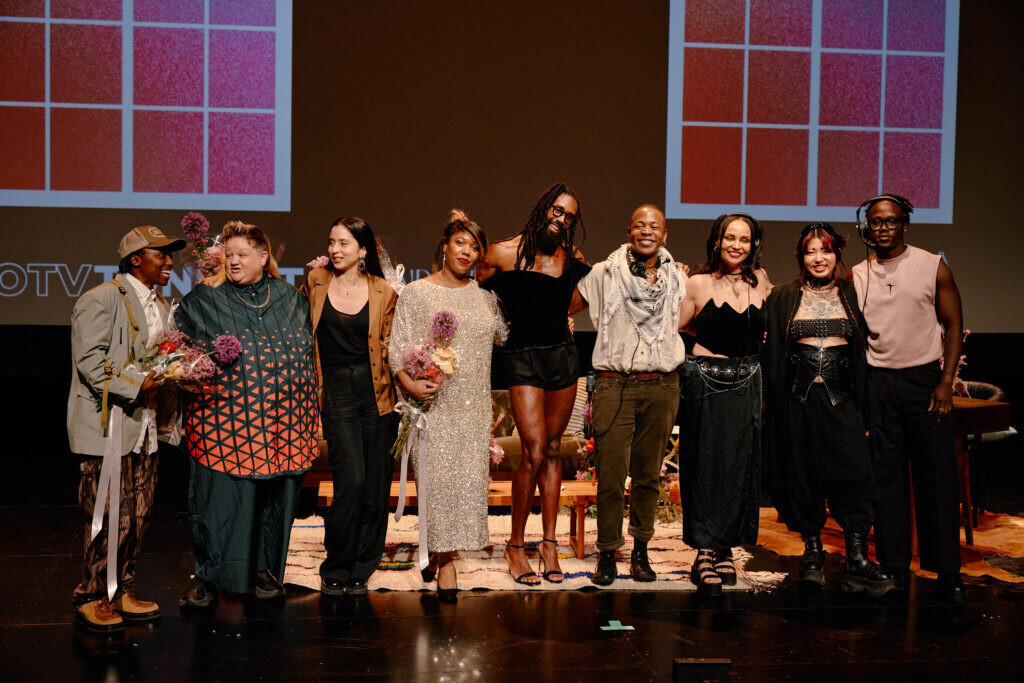
OTV Premiere at the MCA on May 28, 2024. Photo: Jaclyn Rivas.
In 2015, Open Television (OTV) was born from a question: What might be possible if artists—particularly Black, queer, trans, disabled, women, and immigrant storytellers—were given the resources, trust, and freedom to tell their stories without compromise? Now, 10 years later, OTV has grown into an internationally acclaimed nonprofit streaming platform and media incubator that has released more than 500 independent stories via our suite of web/TV apps, built a deeply engaged global subscriber base, and launched countless careers in the broader ecosystem. What began as an experiment in Chicago has become an ecosystem that demonstrates the transformative power of intersectional storytelling.
This September, OTV celebrates its 10th anniversary with Beyond the Screen, a daylong convening at the MCA. The convening is already sold out—over a month in advance—demonstrating just how hungry our community is for deeper connection, knowledge exchange, and imagination. But Beyond the Screen is more than a single event. It is a living archive, an embodied experiment, and an open invitation: to play, to explore, and to chart the future of open television, together.
Why “Beyond the Screen”
Traditional film festivals and media platforms often reduce artists to their outputs—ratings, reviews, or the dreaded algorithm. OTV has never subscribed to this logic. We’ve always insisted that artists are not content producers but culture shapers. The artists we amplify are not only storytellers, they are worldbuilders. Beyond the Screen builds on that philosophy.
The convening pivots from our well-known and flashy #OTVTonight premieres toward a more thought-forward structure that blends symposium, festival, and a good ole fashioned cook out. This shift reflects OTV’s growth over the last decade and our recognition that the future of media lies not in passive consumption but in active participation, deep listening, and collective meaning-making.
As cofounder and executive director, I’ve spent the last several years piloting a framework of relational metrics—a way to measure impact not through view counts but through the relationships artists build, the collaborations sparked, the care practices sustained, and the community infrastructures that emerge from their work. Beyond the Screen is a large-scale embodiment of this experiment. Every conversation, every session, and every connection formed at the MCA is part of the data that will inform how we move into our next decade.
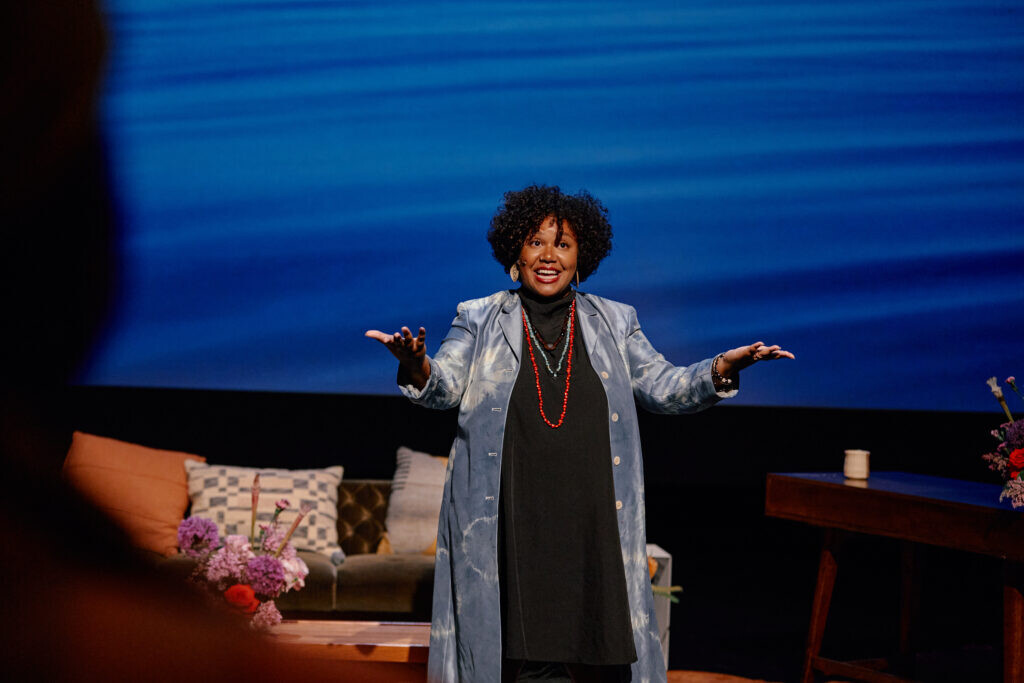
OTV Premiere at the MCA on May 28, 2024. Photo: Jaclyn Rivas.
“OTV continually deepens my understanding that being seen is a birthright and necessity for survival in today’s world."
—Jenna Anast, creator of Craft Service and host of Beyond the Screen
Anchored in Chicago, Reverberating Globally
Chicago has always been OTV’s soil. It’s here that our first fellowships took root; where our showcases packed neighborhood community spaces and cultural centers; and where our community of Black, Brown, and queer artists challenged what media could be. We are proud that while OTV now has a global footprint—with more than 40 short films executive produced by the platform in South Africa, Mexico, Brazil, the UK, and beyond—our tether to Chicago remains unshakable.
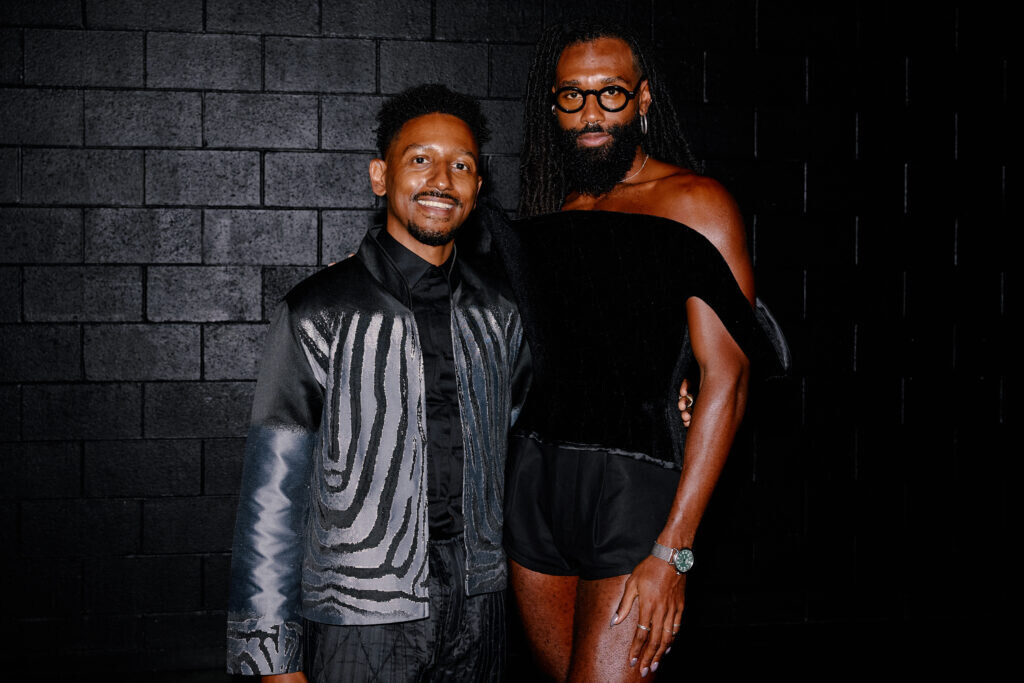
OTV Premiere at the MCA on May 28, 2024. Photo: Jaclyn Rivas.
That tether is reflected in our forthcoming publication of Beyond the Screen: Pushing Media, Legacy and Collective Power Forward, which documents 10 lessons we’ve learned over the past 10 years, launching September 30. The project is both a 200-page book and a 10-episode limited audio series that captures the wisdom of a decade. These lessons offer blueprints for building alternative ecosystems in times of uncertainty. They are not prescriptive, but reflective: a living archive that situates OTV within a lineage of Chicago-based innovation, resistance, and most importantly, imagination.
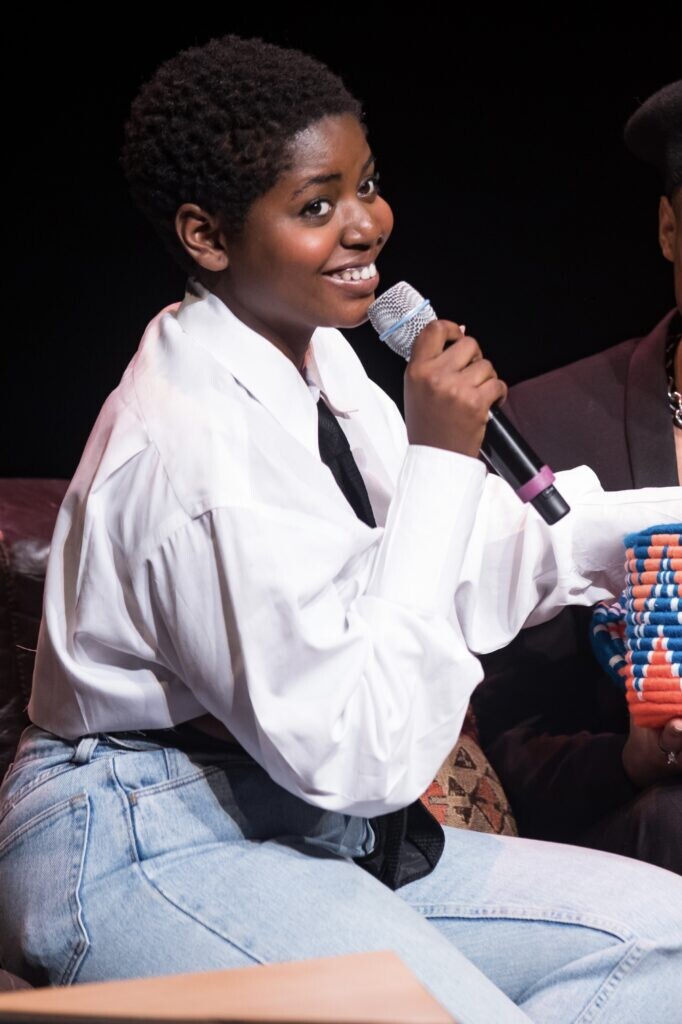
#OTVTonight, MCA Chicago, May 2019. Photo: Justin Barbin.
For OTV alumni Sam Bailey, who will also receive the inaugural Beyond the Screen Legacy Award, the lessons feel deeply personal: “For those of us who didn’t go to film school or didn’t have access into the industry, there’s very few options you have to help cultivate your artistic lens and OTV has created that space. It offered me a sense of artistic freedom.”
A Program Built from the Bottom Up
“OTV’s existence is radical. R A D I C A L” says Bailey.
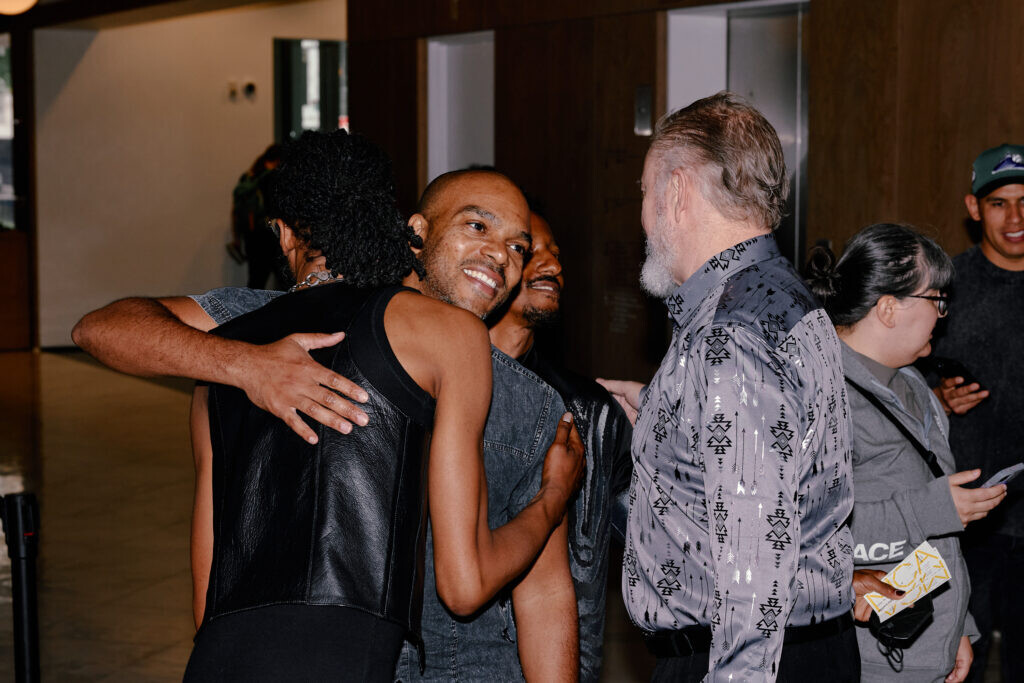
OTV Premiere at the MCA on May 28, 2024. Photo: Jaclyn Rivas.
Beyond the Screen’s structure mirrors OTV’s ethos: it is bottom-up, not top-down. Instead of centering only premieres or marquee speakers, the convening is designed as a layered experience that invites participants to cocreate knowledge.
- Listening Sessions: Participants will join intimate, facilitated conversations, and respond to prompts generated from community and governing body members. These are not panels to consume, but spaces to practice collective reflection and brave listening.
- Fireside Chats: Leaders from across the nonprofit film sector will reimagine impact beyond vanity metrics, offering pathways for sustainable, care-centered futures. Using their learnings as seeds for the audience to grow and nurture.
- Keynotes: Scholars Ruha Benjamin and Safiya Noble will frame the convening with visions of liberation, imagination, and resistant knowledge that speaks directly to a closing conversation around the importance of investing in truth-telling, including key voices from MacArthur Foundation, Ford Foundation, Pop Culture Collaborative, and more.
- Afterglow: Because celebration is critical, we close the day not with extraction but with joy—an intergenerational gathering at Cerise Rooftop hosted by Slo ‘Mo Party.
This intentional flow—listening, reflecting, imagining, celebrating—marks a decisive step in OTV’s growth. It signals our evolution from a platform primarily known for premieres and showcases to an organization that also convenes thought leadership, builds academic frameworks, and shapes the future of cultural infrastructure. For funders, partners, and peers, this is a statement: OTV is not just making media, we are making a world.
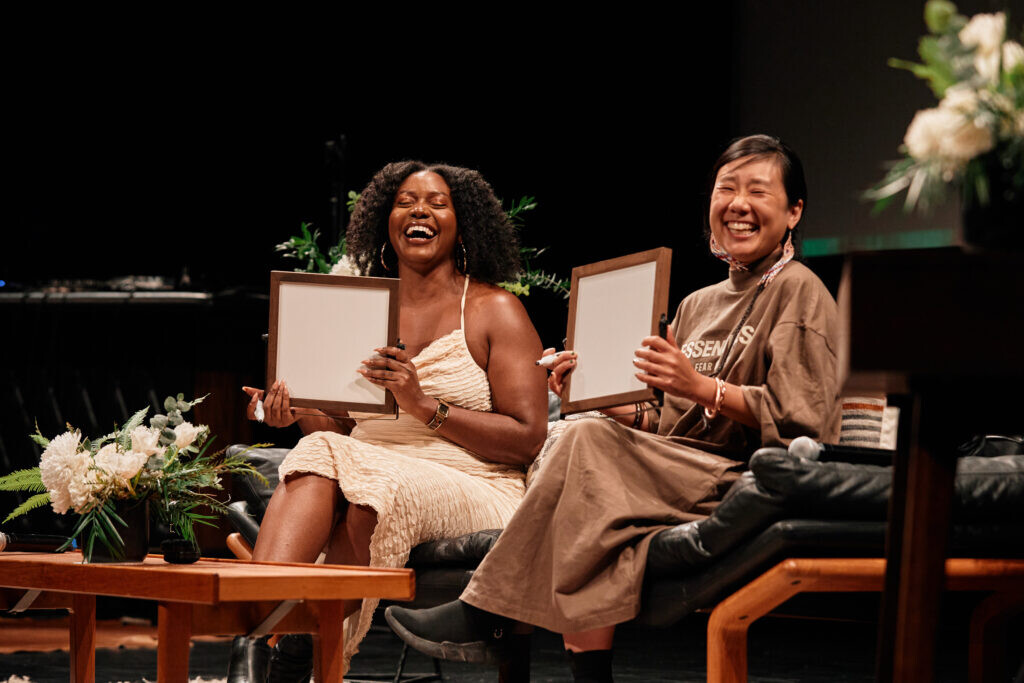
#OTVTonight, MCA Chicago, May 16, 2023. Photo: Jaclyn Rivas Photography.
As OTV fellow and 2025 Ambassador Vee Hua reflects: “OTV sees that something is broken in the industry, and rather than trying to fix it exactly—though I am sure they definitely do some of that—they build alliances with like-minded groups and individuals. They also build their own ecosystems, which is evidenced by their streaming platform, their fellowship programs, and so much more.”
Building in an Extractive Climate
The truth is, building an artist-centered platform “from the bottom up” has never been easy—especially in a cultural and economic climate as extractive as ours. Over the past decade, OTV has weathered hostile administrations, global uprisings, genocides, natural disasters, a global pandemic, and relentless attacks on our human rights. We have watched peers lay off beloved staff, seen institutions crumble, and felt collaborators falter under the weight of unsustainable systems.
And yet, OTV has endured. Not because we had more resources or easier conditions, but because we leaned into a different compass: deep awareness, gratitude, and trust. Trust in our artists. Trust in our audiences. Trust in the belief that storytelling, when nurtured with care, could build a different kind of infrastructure.
It has taken courage to resist the urge to replicate the extractive models around us. But through each challenge, OTV doubled down on what we know to be true: artists deserve to be centered, communities deserve to be cared for, and relationships are worth more than metrics. That commitment has carried us here, and it is what gives us confidence that OTV will not just survive, but thrive, for another decade and beyond.
Building Through Fear, Toward Expansion
We live in a time of immense fear—fear of economic instability, fear of cultural erasure, fear of political retrenchment. In the arts sector, that fear often translates into scarcity thinking, competition, and withdrawal. But OTV has always refused to let fear be our compass.
The numbers paint a sobering picture. Data from Candid shows that arts nonprofits saw revenue fall across every category in 2024—with foundation funding down 25%; individual, board, and corporate giving slipping back to or below pre-pandemic levels. Meanwhile, median expenses dropped 8%, and organizations slashed personnel spending by 13% to stay afloat (Candid, 2025). SMU DataArts further reports that average revenue across arts and cultural organizations declined by 25% between 2023 and 2024, the steepest downturn in six years (SMU DataArts, 2025).
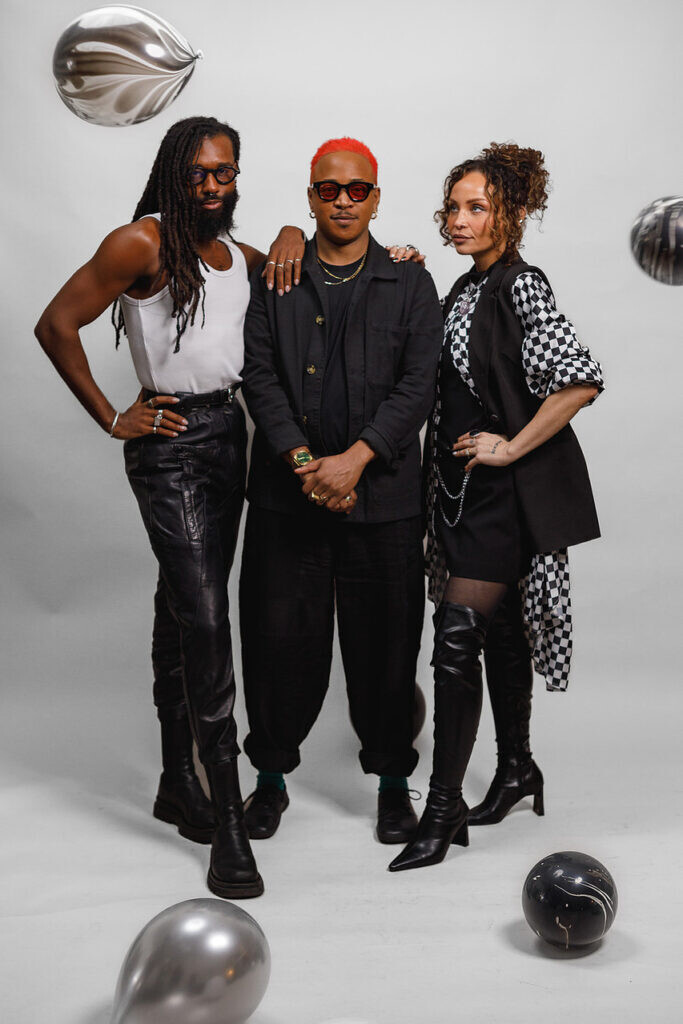
Photo: M Lamourt
Yet, while these data points reflect real and devastating losses across the sector, it is no coincidence that OTV has witnessed nearly a 50% increase in annual revenue over the past two years alongside a 30% expansion in full-time, part-time, and contract roles. That growth has not been accidental; it is the result of deliberate, cultivated strategies rooted in trust, patience, and risk-taking. This trajectory illustrates what we’ve known all along: unmovable impact that extends beyond the screen cannot be rushed or extracted. It requires building slowly, centering artists, and being willing to reimagine the systems around us.
For the last decade, I have invited people to think expansively—to imagine that another ecosystem is not only possible but already here. To believe that artists, when trusted and resourced, can generate new economies, new communities, and new solidarities. Beyond the Screen is both proof of concept and a plea: Let us not allow fear and uncertainty to dictate what is possible.
We need more organizations willing to experiment, more institutions willing to risk, and more funders willing to invest in infrastructures that don’t fit neatly into existing boxes or programmatic portfolios. Because the alternative—the hollowing out of our cultural imagination—is far more dangerous than the risk of trying something new.
As Vee Hua puts it: “It became very obvious to me that OTV walked the walk, and that they are mission-aligned, people-centered, and most importantly, REAL, in an ‘industry’ that often is not.”
A Living Legacy and an Open Invitation
As OTV enters its second decade, Beyond the Screen stands as a living legacy and archive. The stories we’ve nurtured, the careers we’ve launched, the communities we’ve strengthened—all of it is evidence that intersectional, unfiltered storytelling can transform not just screens but lives.
But this is not just OTV’s story. It is Chicago’s story. It is our artists’ story. It is the story of everyone who has dared to imagine that media could serve care, connection, and collective power.
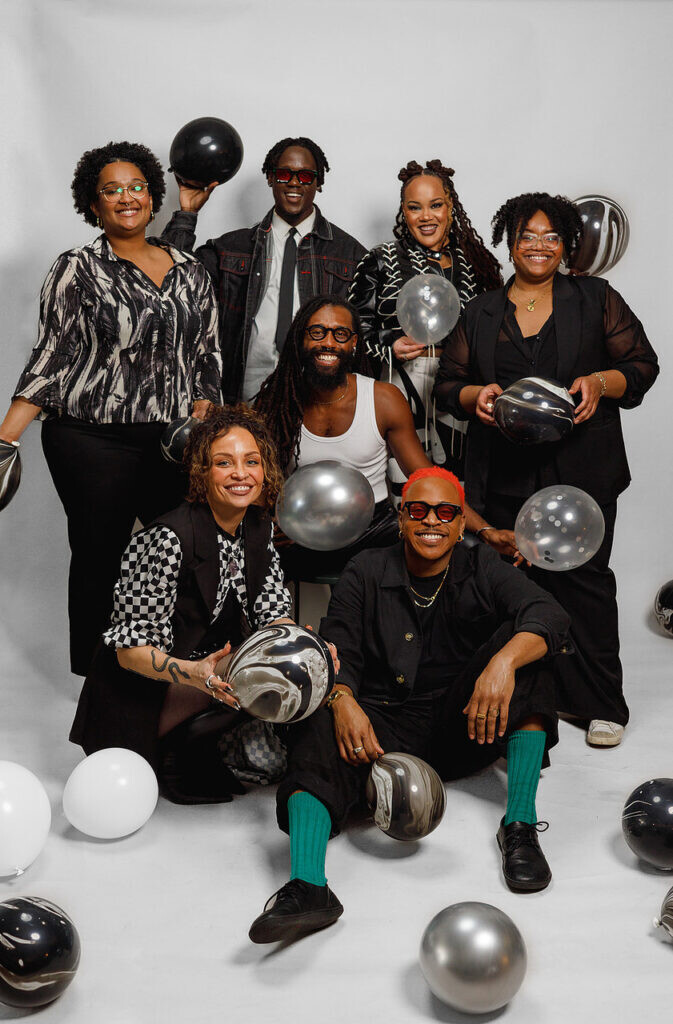
Photo: M Lamourt
To those reading this on the MCA blog—whether you are a longtime supporter, a curious newcomer, or an investor seeking meaningful impact—I extend this invitation: tap into your imagination with us. Join us in cultivating an ecosystem where success is measured in relationships, where bravery outpaces fear, and where storytelling is not a commodity but a community practice.
Because beyond the screen lies something far greater: the possibility of a world transformed by empathy, imagination, and solidarity. And that is the legacy OTV is building—one story, one connection, one decade at a time.