In Conversation with Vershawn Sanders Ward
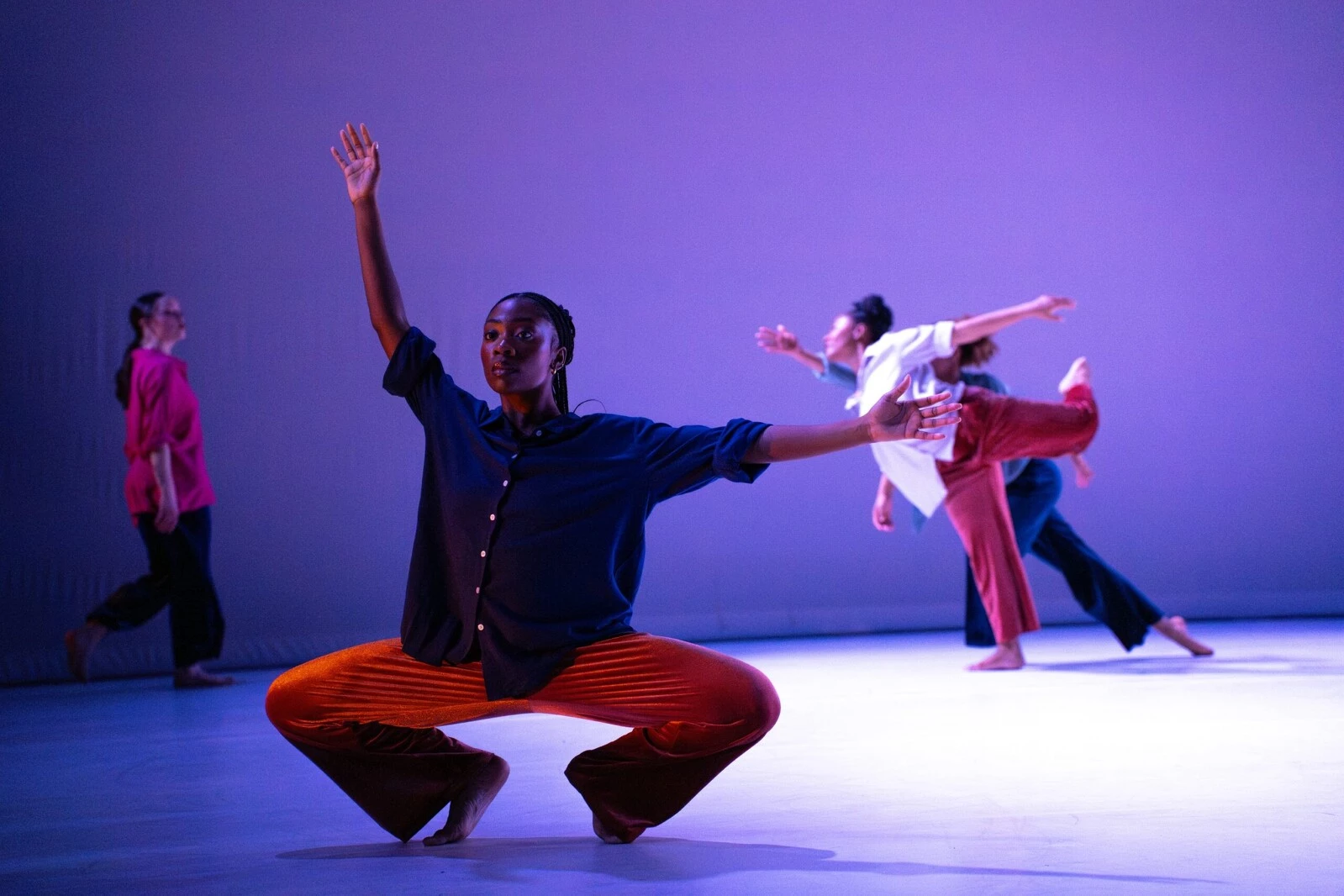

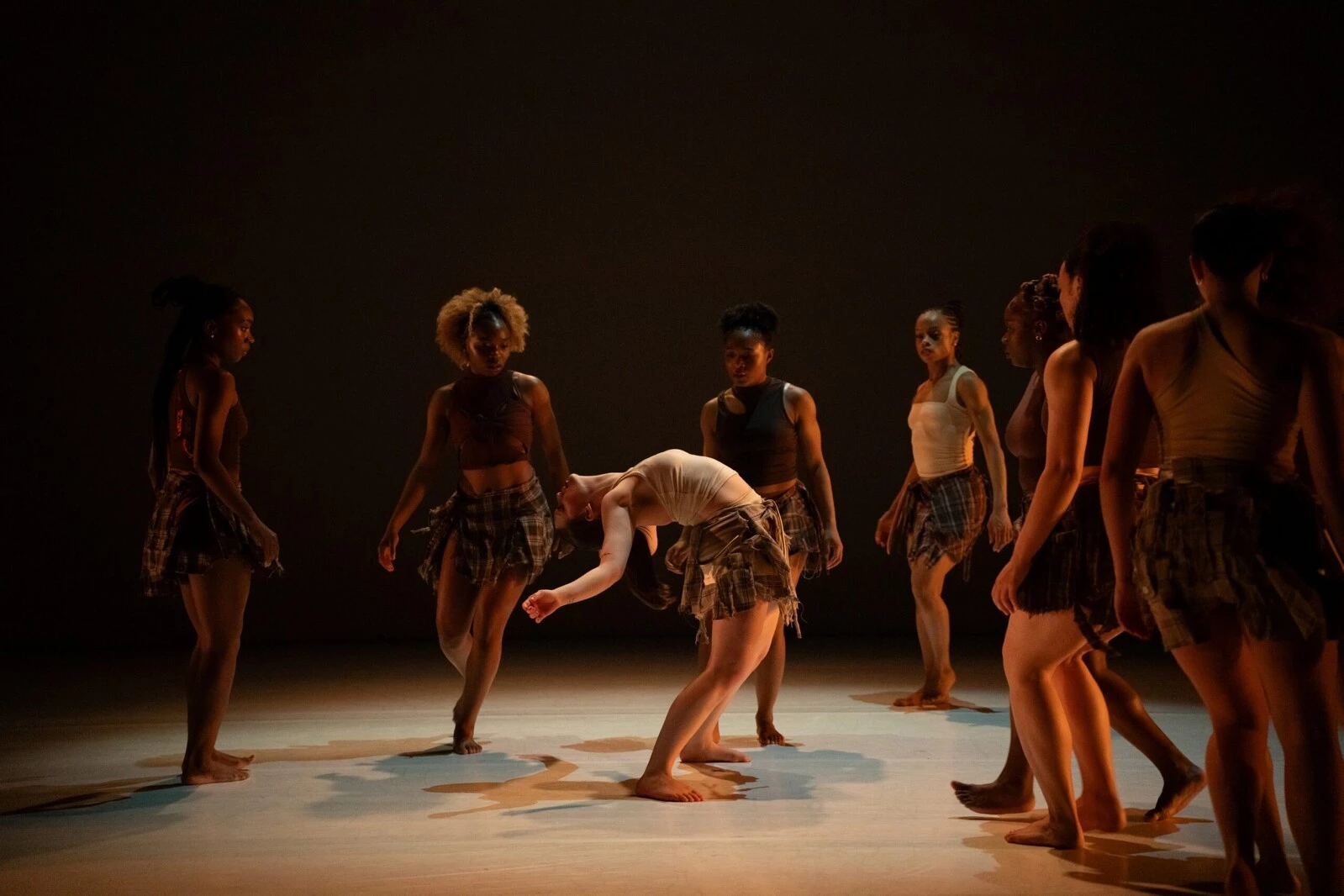
For the 2025 edition of Chicago Performs, Assistant Curator Laura Paige Kyber invited each of the featured artists to respond to a set of five questions, illuminating their inspirations, collaborations, process, and how Chicago shapes their work.
Below, Vershawn Sanders Ward, Artistic Director & CEO of Red Clay Dance Company, responds to Kyber’s questions, discussing Freedom Square: The Black Girlhood Altar, a choreographic homage to missing and murdered Black women and girls that will premiere at Chicago Performs this month.
This interview has been edited for length and clarity.
Laura Paige Kyber: Tell me about the origins of the project you’re presenting as a part of Chicago Performs. What were the seeds of inspiration?
Vershawn Sanders Ward: The origins of this project were born from a deep yearning—a vision of a boundless, limitless space where Black women and girls are seen, heard, and held in all their brilliance. The first seed was planted when I encountered The Black Girlhood Altar, an installation by Scheherazade Tillet, at the Chicago Cultural Center. Standing before that sacred space, I felt something stir in me—a call to not only witness but to build upon that vision through performance. This work is a love letter, a sanctuary, and a rallying cry. It’s a way to honor the stories, memories, and futures of Black women and girls—to say: you are worthy, you are powerful, you are not forgotten. By weaving together dance, music, digital media, and visual art, I hope to create an experience that doesn’t just move people, but calls them to action—to protect, to uplift, and to reimagine justice. This project is my offering. A place of beauty, remembrance, and radical possibility.
LPK: What lineages of performance do you situate yourself within? Are there specific artists or traditions that you identify with?
VSW: I situate myself within the rich and expansive lineages of the Black African Diaspora. My work is rooted in the brilliance, resilience, and shapeshifting nature of Black people—especially Black women—across the globe. I walk in the footsteps of visionaries like Katherine Dunham, Pearl Primus, Jawole Zollar, Germaine Acogny, Ronald K. Brown, and Amaniyea Payne—artists who moved with purpose, who made space where there was none. I’m also deeply inspired by Bebe Miller, whose work reminds me of the vastness and complexity of Black stories held in our bodies—that we are not, and have never been, a monolith.
My city, too, is part of my lineage. Chicago’s creative pulse—from the deep-rooted traditions to the electric energy of House dance—shapes how I move, how I listen, how I tell stories. All of it lives in me. All of it moves through me.
LPK: Who are your artistic collaborators on this project and how do you choose who to work with?
VSW: For this project, I knew from the beginning that I wanted to build a creative world shaped by the hands, hearts, and brilliance of Black women. I wasn’t just imagining a utopia—I was calling one into being, and that meant centering collaborators whose lived experiences could breathe real depth into the work.
First and always, my company—the eight phenomenal dancers of Red Clay Dance Company—are my core collaborators. Their artistry, spirit, and commitment fuel everything. I’m also incredibly honored to have original music composed by Chicago’s own Jamila Woods, whose sound holds power and poetry. Costume design comes to life through the visionary eyes of Shaqui Reed and Alyna Carlton, and of course, the altar—the spiritual heart of this work—is cocreated with Scheherazade Tillet and Robert Narciso. We’ve also brought in new magic for this project: Jacob Snodgrass, our longtime lighting designer and production manager, continues to light the way, and for the first time we’re collaborating with the brilliant team at Lookingglass Scenic Shop. I’m also thrilled to be working with Christopher James Hooker on projection design—another exciting first. Every person involved was chosen with deep intention—not just for their talent, but for their capacity to dream boldly and build something sacred together. This is a true collective vision, and I’m so grateful to be surrounded by such fire.
LPK: How has making your work in Chicago impacted your artistic practice?
VSW: I go hard for my city—always. Chicago is a place where brilliance is born daily, and I’m proud to be an artist contributing to that legacy. This city has shaped me, sharpened me, and demanded that I show up with authenticity, excellence, and intention in everything I create. You can’t take shortcuts here—Chicago will hold you accountable. You must do the work. Chicago is deeply rooted in Black arts movements and in using art as a tool for resistance, healing, and transformation. As an Artivist, I stand firmly in that lineage. I’m inspired by the legacy of artists who came through this city—from Kerry James Marshall, Archibald Motley, Jr., and Charles White, to Muddy Waters, Herbie Hancock, Chaka Khan, Hebru Brantley, Common, and Chance the Rapper. These are cultural architects, and their influence is in the soil here. This city has taught me to be fearless, to lead with purpose, and to create from a place of deep truth. My practice doesn’t just live in Chicago—it was made by it.
LPK: What would you like audiences to take away from experiencing this work?
VSW: First and foremost, this work is for Black women and girls. I want them to walk away feeling seen, held, and affirmed—to deeply understand their brilliance, their sacredness, their power. I hope they recognize themselves in this work and see their genius reflected back at them.
For everyone, I want this work to be an invitation—to witness, to listen, to honor. I want the audience to see the full humanity of Black women and girls—not just their strength, but their softness, their complexity, their beauty. I hope this work opens hearts, shifts perspectives, and reminds us all of the deep value in truly cherishing and believing Black women and girls.